
Healthy Active for schools
We want children to move more, move well, and prepare them for a lifetime of physical activity.

Become a Ready Steady Go School
Despite public health guidelines that recognise the many benefits of regular physical activity, only 1 out of 5 children meet international physical activity recommendations.
Without early exposure to appropriate activities, and a long term strategy to physical development current trends in physical activity will likely continue as weaker youth fail to gain confidence and competence in their physical abilities.
Schools are dedicated to supporting children to be more active, but delivering appropriate activities that support long term development can be difficult, especially in an already crowded curriculum.
Ready, Steady, Go is an integrative framework that develops muscular strength, improves physical literacy, and protects against injuries – preparing children for a lifetime of physical activity.
The Ready Steady Go schools programme covers 4 pillars that we believe create the infrastructure of a child-centred approach to building a foundation for children to engage in exercise and physical activity as they get older.
The programme includes staff development, teaching guides and activity plans, school resources and engagement promotions.
Subscribing schools will become a ‘Ready Steady Go’ school, which certifies that you have worked with us to enact positive change at school, and prepare children for a lifetime of physical activity.
What’s included
- (To be endorsed by CIMPSPA) Healthy Active Kids online course for essential staff development (up to five licences)
- Ready Steady Go community access, with engagement activities
- Teaching guide and activity plans
- School resources, digital content, and community planner
- Use of the ready Steady Go logo on your website and marketing materials
Email our schools team
What we offer
Staff Development
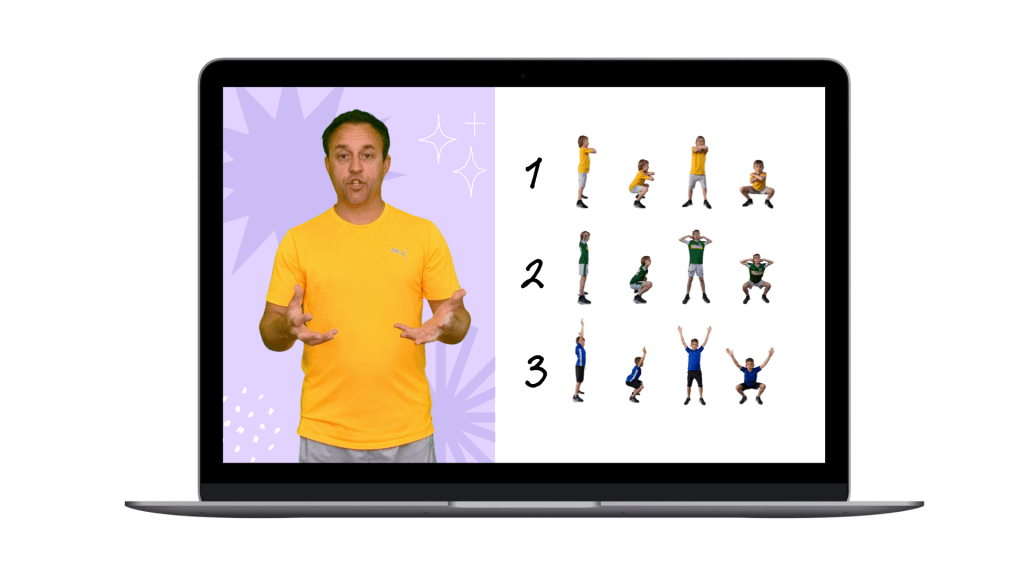
Topics Covered
The current landscape
An important starting place to reflect on current culture and climate when it comes to youth physical activity.
The growing child
Early or late developer? Learn how growth, maturation, and development effects physical activity, and it’s impact in the classroom or on the sports field.
Long term development
Longer term benefits over short term gains. Learn about various long term models developed to support children and physical activity. This is where we introduce the Youth Physical Development Model and how it underpins the Ready Steady Go programme.
Kids Fitness
They’re not just mini-adults! Learn about the different components of fitness, the influence growth and maturation has on performance and the trainability of each component throughout childhood. This is where you learn how to develop strength, power, speed, and endurance in children.
Injury risk
Children who sustain injuries during the developmental years may not fully recover, limiting their ability to engage in exercise and physical activity later in life. This is where we introduce common injuries to be aware of, identify certain risk factors, and discuss how an age-appropriate prevention strategy can reduce the risk of injury.
Creating the right environment
Creating an environment that’s fun, engaging, and age-appropriate will increase a child’s motivation to take part in sport and physical activity. This is where you learn how to put the ‘Ready Steady Go’ programme into practice.
Teacher Resources
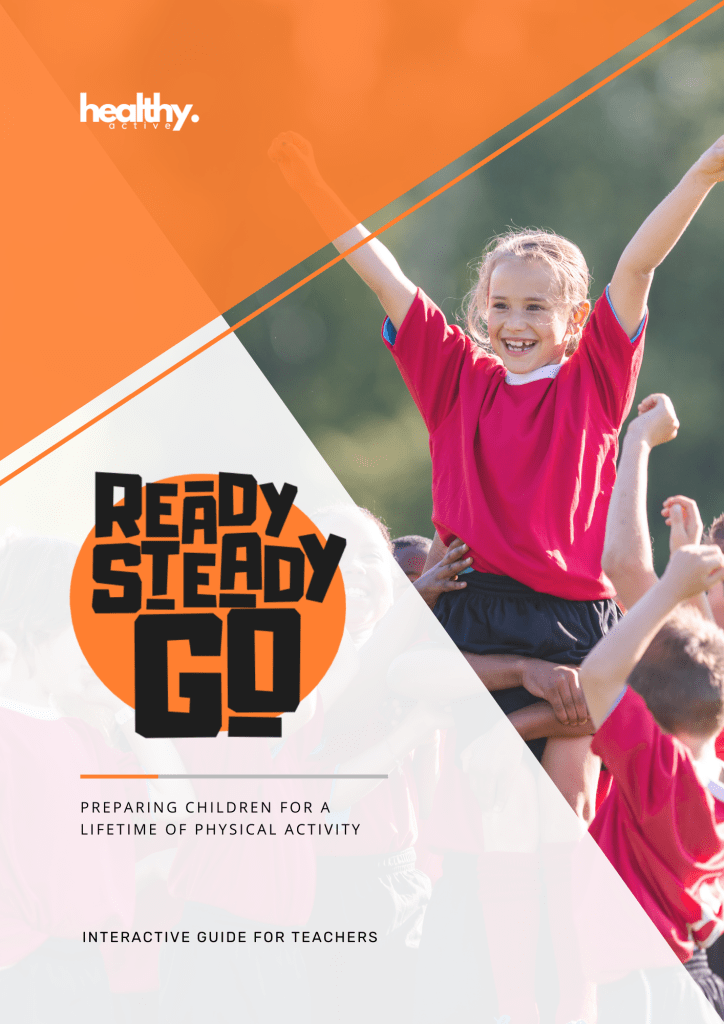
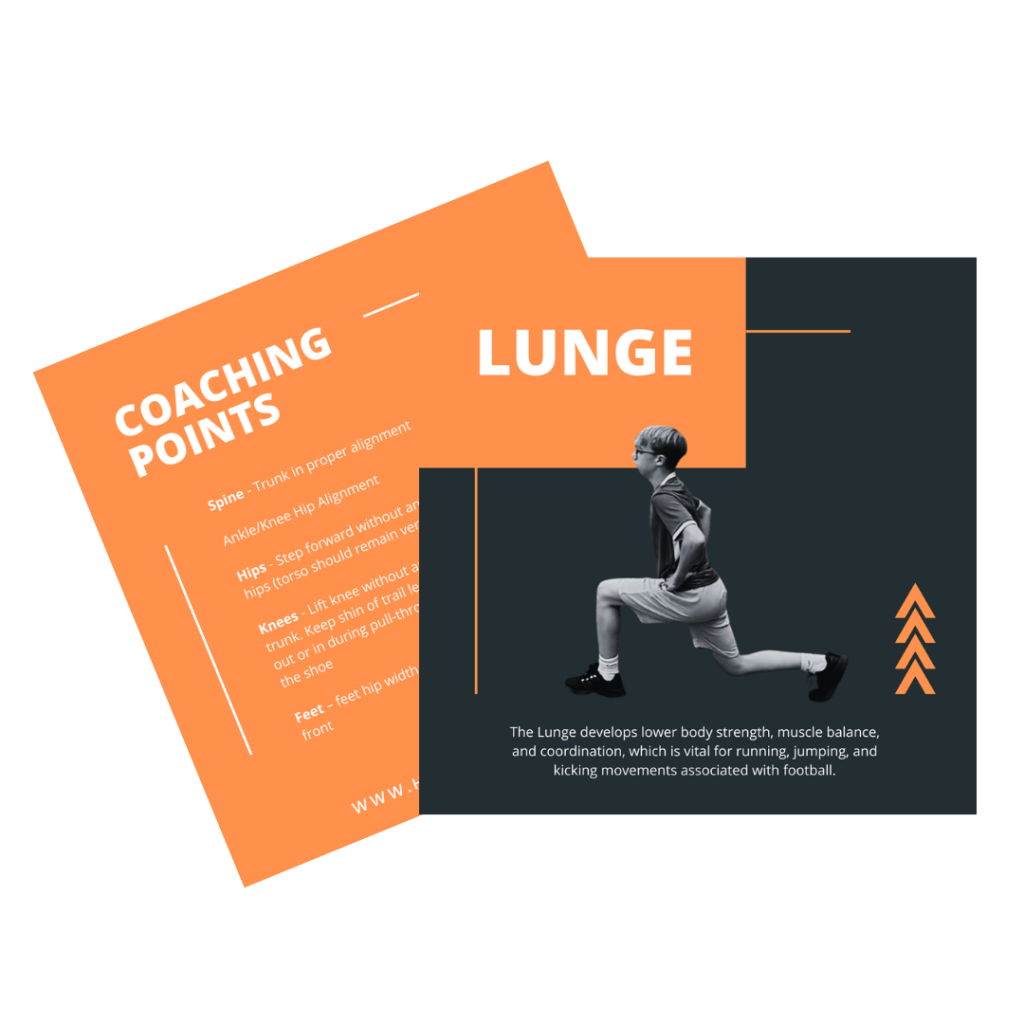
School Resources
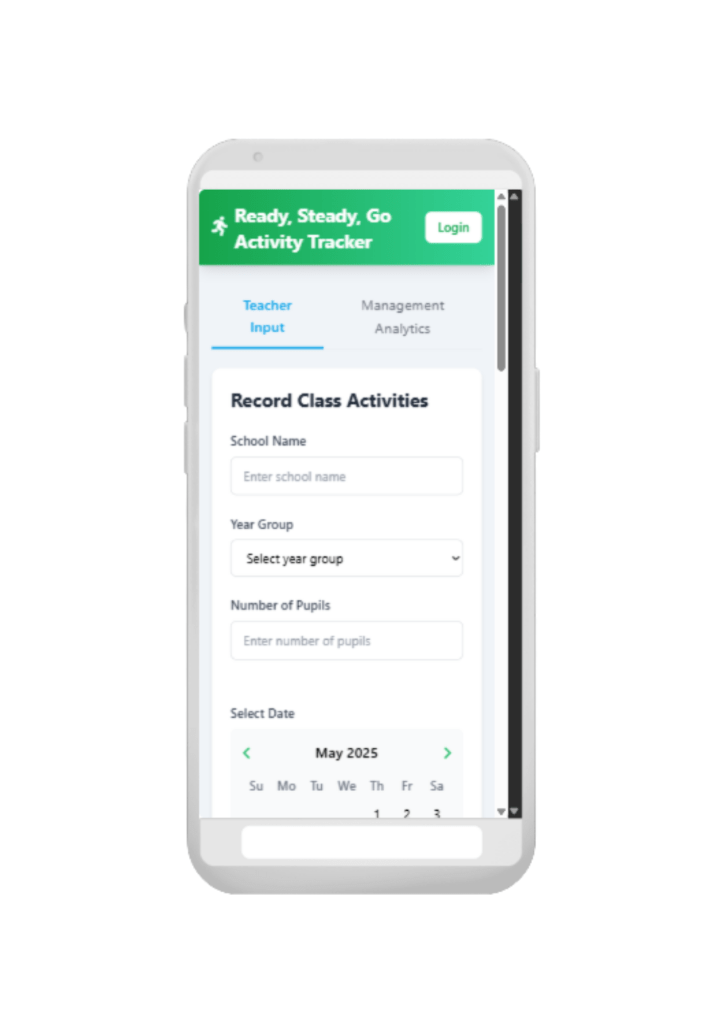

Additional services
Activation events
Ready Steady Go days – tailored to your School, your students, your needs, your timetable.
A full day of talks and workshops to promote Ready Steady Go and educate pupils and establish a culture where physical activity is for everyone
Talks and workshops to students
Between one-two hours per talk/workshop.
Delivered in any topic area to empower children with knowledge about their growing bodies so that they can enjoy a lifetime of physical activity
Talks to others in the school community
Parents, teachers, pastoral team, support staff, pupils.
The wider the messaging and understanding in the community, the more likely children will feel they can be more active. Talks can be delivered in specific topic areas as stand-alone or as part of an activation event.
 Healthy Active