
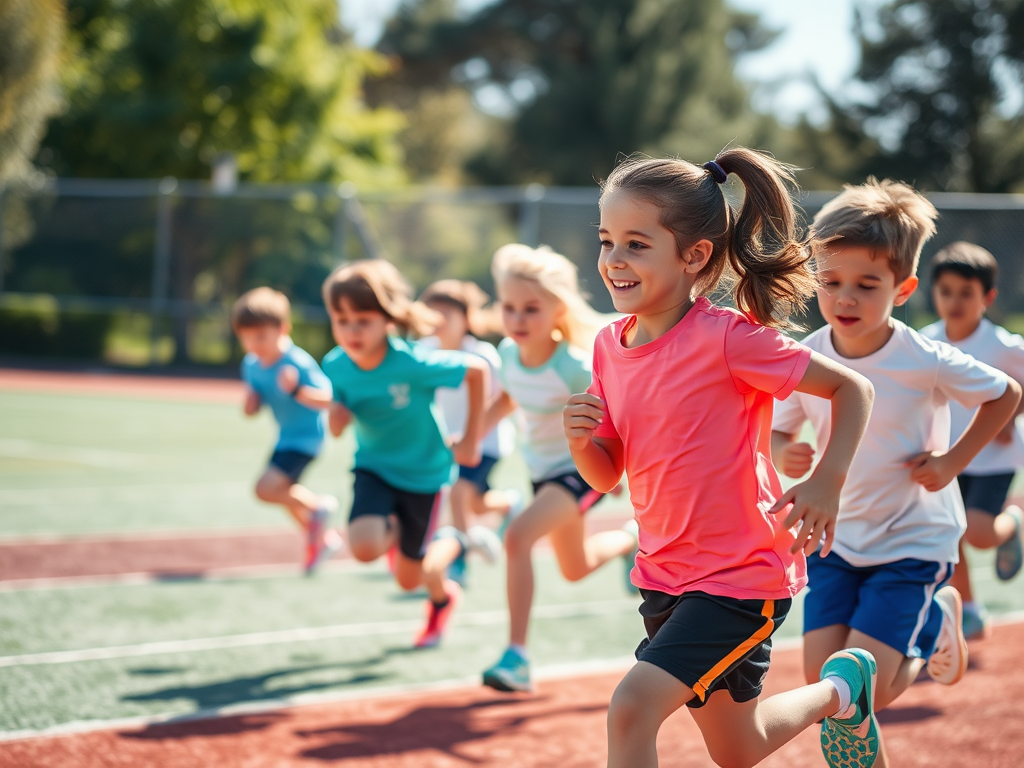
Helping children develop speed isn’t just about making them faster runners; it’s about opening doors to success in many sports and physical activities. Whether you’re a parent cheering from the sidelines, a teacher guiding PE lessons, or a coach nurturing young talent, understanding how speed develops and how to train it can make a realContinueContinue reading “Speed Training for Kids: A Guide for Parents, Teachers, and Coaches”
Author Archives: Healthy Active
The 15-Minute Warm-Up to Prevent Injuries and Boost Performance

Are you a coach tired of seeing avoidable injuries? Are you a parent worried about that inevitable ankle twist during Sunday football? You’re not alone. The truth is, many children today lack the foundational muscular strength and movement competence needed to handle the demands of modern sports. Despite public health guidelines that recognize the manyContinueContinue reading “The 15-Minute Warm-Up to Prevent Injuries and Boost Performance”
The Benefits of Strength Training for Children Explained
For too long, outdated myths have kept kids away from what could be one of the most powerful tools for their long-term health and wellbeing: strength training. The good news? Leading professional organizations have caught up. A substantial body of evidence shows that well-designed, supervised, and individualized strength training programs are not only safe butContinueContinue reading “The Benefits of Strength Training for Children Explained”
Beyond the Body: The Powerful Mental Health Benefits of Exercise

For years, we’ve celebrated physical activity for its clear benefits to our bodies, stronger hearts, healthier weight, and reduced disease risk. But its role in improving our mental health is just as substantial and has rightfully received unprecedented attention recently. As our understanding of the brain-body connection grows, exercise is emerging as an incredibly powerfulContinueContinue reading “Beyond the Body: The Powerful Mental Health Benefits of Exercise”
Building Lifelong Movement: The Value of Fundamental Movement Skills in Childhood
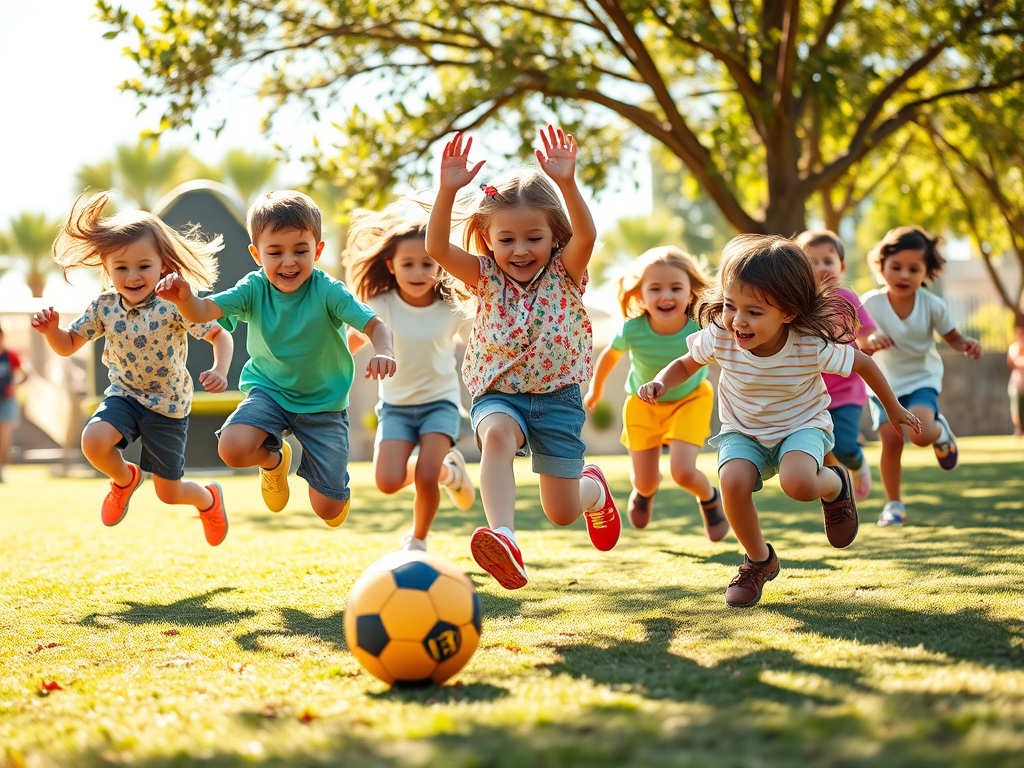
Developing a lifelong love of movement begins with mastering the basics – what are known as Fundamental Movement Skills (FMS). These foundational skills, such as running, jumping, and throwing, provide the groundwork for all sports and active pursuits that children may try as they grow. Why FMS Are Essential Acquiring fundamental movement skills during childhoodContinueContinue reading “Building Lifelong Movement: The Value of Fundamental Movement Skills in Childhood”
Enhancing Youth Fitness: Effective Development Models
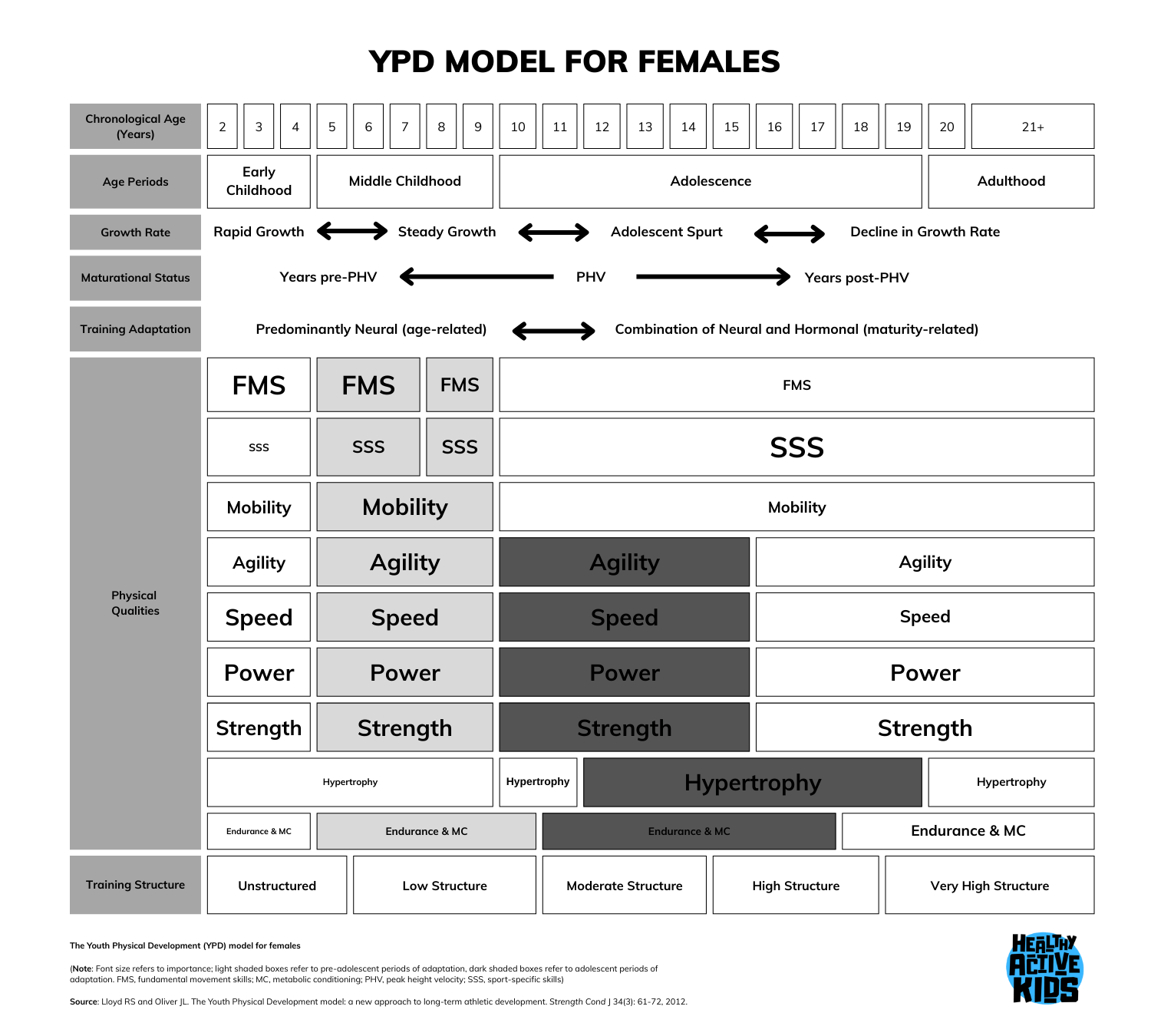
Today’s youth are physically weaker than previous generations, and a vast majority are not accumulating at least 60 minutes of moderate to vigorous physical activity per day. Despite public health guidelines that recognise the potential physical, psychosocial, and cognitive benefits of regular physical activity only 1 out of 5 adolescents meet international physical activity recommendations.ContinueContinue reading “Enhancing Youth Fitness: Effective Development Models”
Boosting Youth Fitness with Ready, Steady, Go
Despite public health guidelines that recognise the many benefits of regular physical activity, only 1 out of 5 adolescents meet international physical activity recommendations, which include aerobic and muscle-strengthening activities. Along with declining measures of cardiorespiratory fitness worrying trends indicate a steady decline in muscular fitness (i.e., muscular strength, muscular endurance, and muscular power) inContinueContinue reading “Boosting Youth Fitness with Ready, Steady, Go”
Understanding the Relative Age Effect
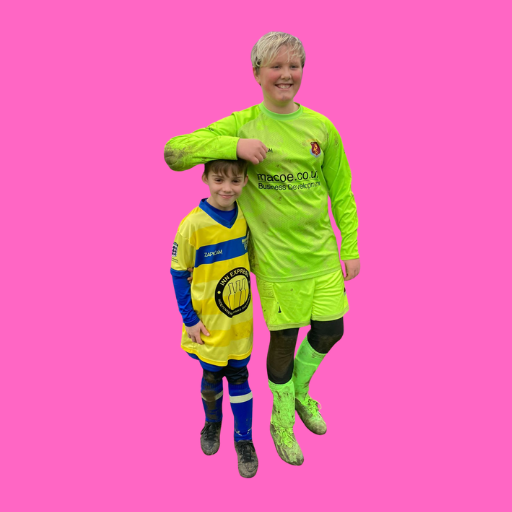
The relative age effect refers to the tendency for children born near an age cut-off date to experience advantages in athletic and academic contexts. Early birth within this period is often linked with higher physical development, while those born later may encounter challenges due to relatively lower physical, emotional, and cognitive maturity. Research indicates thatContinueContinue reading “Understanding the Relative Age Effect”
Impact of Maturation on Childhood Fitness
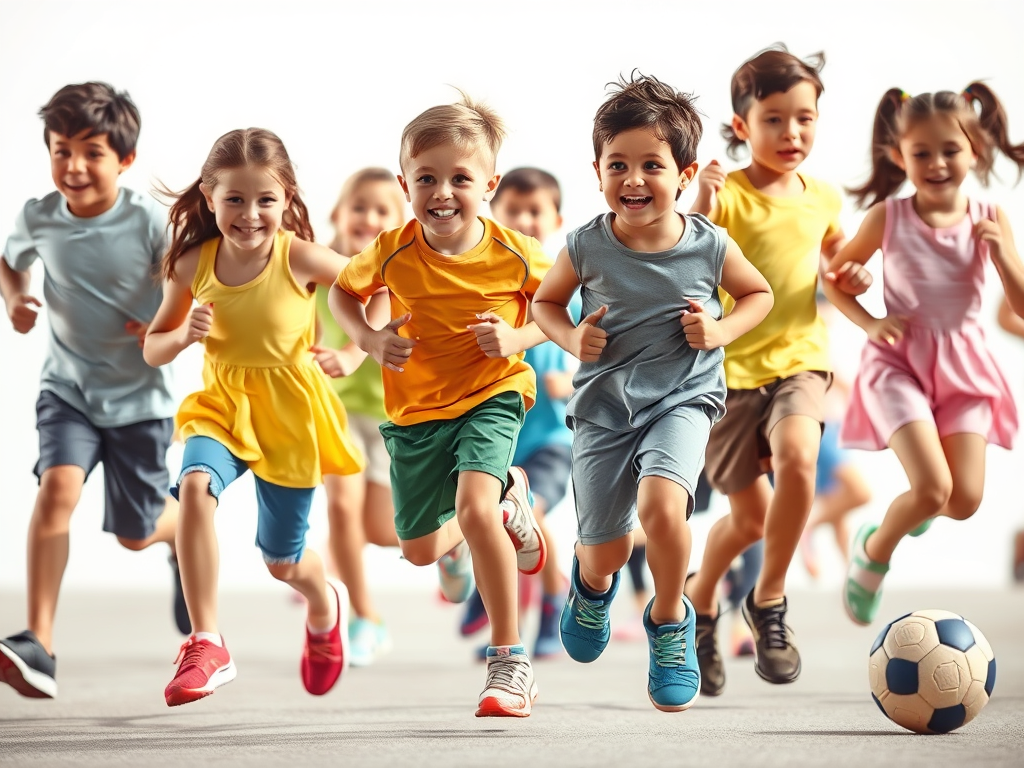
The changes in physical fitness that occur throughout childhood and adolescence are largely the result of changes in body size and composition, particularly changes in lean muscle and fat mass, that accompany maturation. There are noticeable differences between boys and girls for some components of fitness, and the timing and tempo of the adolescent growthContinueContinue reading “Impact of Maturation on Childhood Fitness”
Understanding Child Development: Chronological vs Biological Age

Monitoring a child’s development can be quite difficult, as each child experiences puberty and growth spurts at their own unique rate. To effectively observe this process, it’s best to consider both chronological and biological perspectives. Check out the video to learn more. Defining chronological age Chronological age is assessed at a specific moment in relationContinueContinue reading “Understanding Child Development: Chronological vs Biological Age”
 Healthy Active