
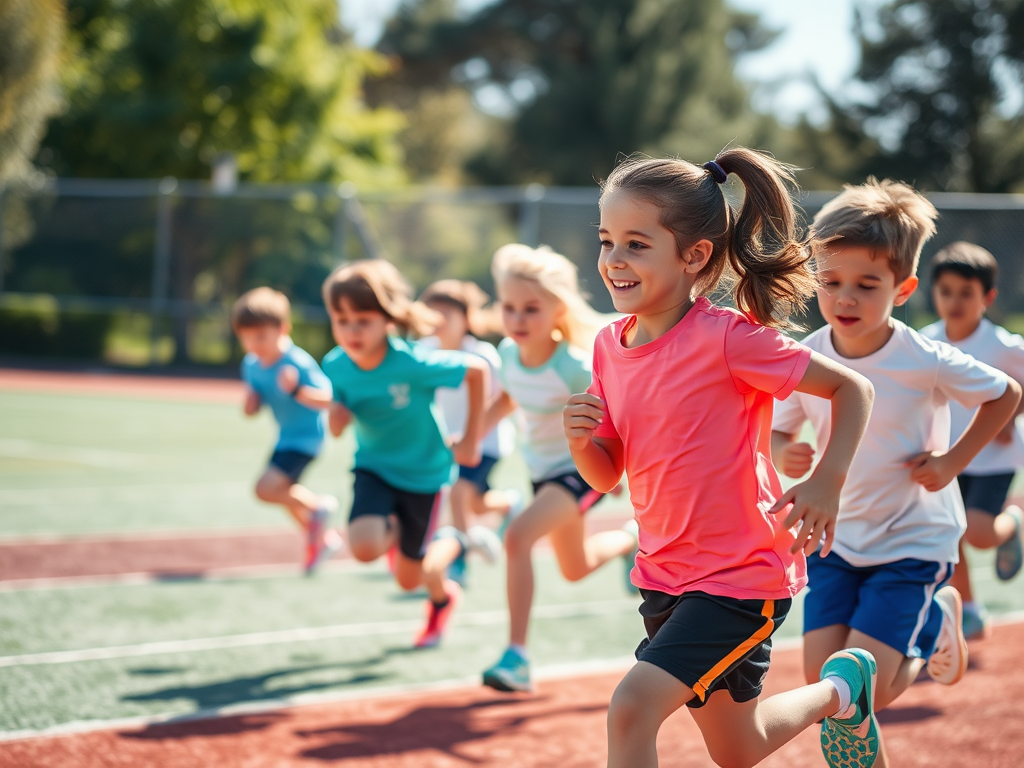
Helping children develop speed isn’t just about making them faster runners; it’s about opening doors to success in many sports and physical activities. Whether you’re a parent cheering from the sidelines, a teacher guiding PE lessons, or a coach nurturing young talent, understanding how speed develops and how to train it can make a real difference.
Why Speed Matters
Speed is more than just running fast. It’s the ability to move quickly and cover ground efficiently, which is crucial in sports like football, hockey, and many others. Developing speed during childhood sets the foundation for future athletic opportunities. If children miss out on building this skill early, it can limit their chances later on.
How Speed Develops
Speed in children is shaped by many factors, muscle growth, limb length, changes in metabolism, and even how their nerves and muscles work together. As kids grow, their stride length increases, helping them run faster even if their stride frequency (how quickly they take steps) slows down a bit. Boys and girls start with similar sprint speeds, but after puberty, boys often see greater improvements due to muscle growth, while girls may face challenges from natural changes in body composition.
Training for Speed: What Works?
There are two main types of speed training:
- Non-Sprint Specific Training: Strength training and plyometrics (jumping exercises) help kids build the force and leg stiffness needed for speed. Younger children, especially before puberty, benefit most from plyometrics, while older kids and teens see more gains from strength training. Kids who master basic movement skills and participate in these activities tend to improve their speed more than those who don’t.
- Sprint-Specific Training: This includes activities like forward and backward running, sometimes with resistance (using parachutes or weighted sleds). Unresisted sprints help refine technique, while resisted sprints build horizontal force. Interestingly, backward running is excellent for improving acceleration and is less stressful on the knees, plus it’s fun!
Practical Tips for Speed Training
- Start Simple: Begin with relay races and tempo runs that focus on technique. Include backward running for explosive strength.
- Progress Gradually: Introduce resisted sprints only when children show good running mechanics, think proper body angle, forward lean, and strong foot strikes.
- Keep It Fun: Use warm-ups as a chance to sneak in speed drills. Make activities engaging and suitable for the children’s age and skill level.
- Individualize: Always consider each child’s maturity, competency, and experience when planning speed training.
Key Takeaways
- Speed develops naturally as children grow, but targeted training can boost progress.
- Both boys and girls start with similar sprint abilities, but differences emerge after puberty.
- Plyometrics and strength training are both valuable, with plyometrics best for younger kids and strength training for teens.
- Sprint-specific drills, including backward running, are effective and enjoyable.
- Tailor training to each child’s needs for the best results.
By understanding and applying these principles, you can help children reach their full potential, whether they’re aiming for the school team or just enjoying being active. Speed training isn’t just about winning races; it’s about building confidence, skills, and a lifelong love of movement.
If you’d like more practical exercises or advice tailored to your group, feel free to ask!
 Healthy Active