
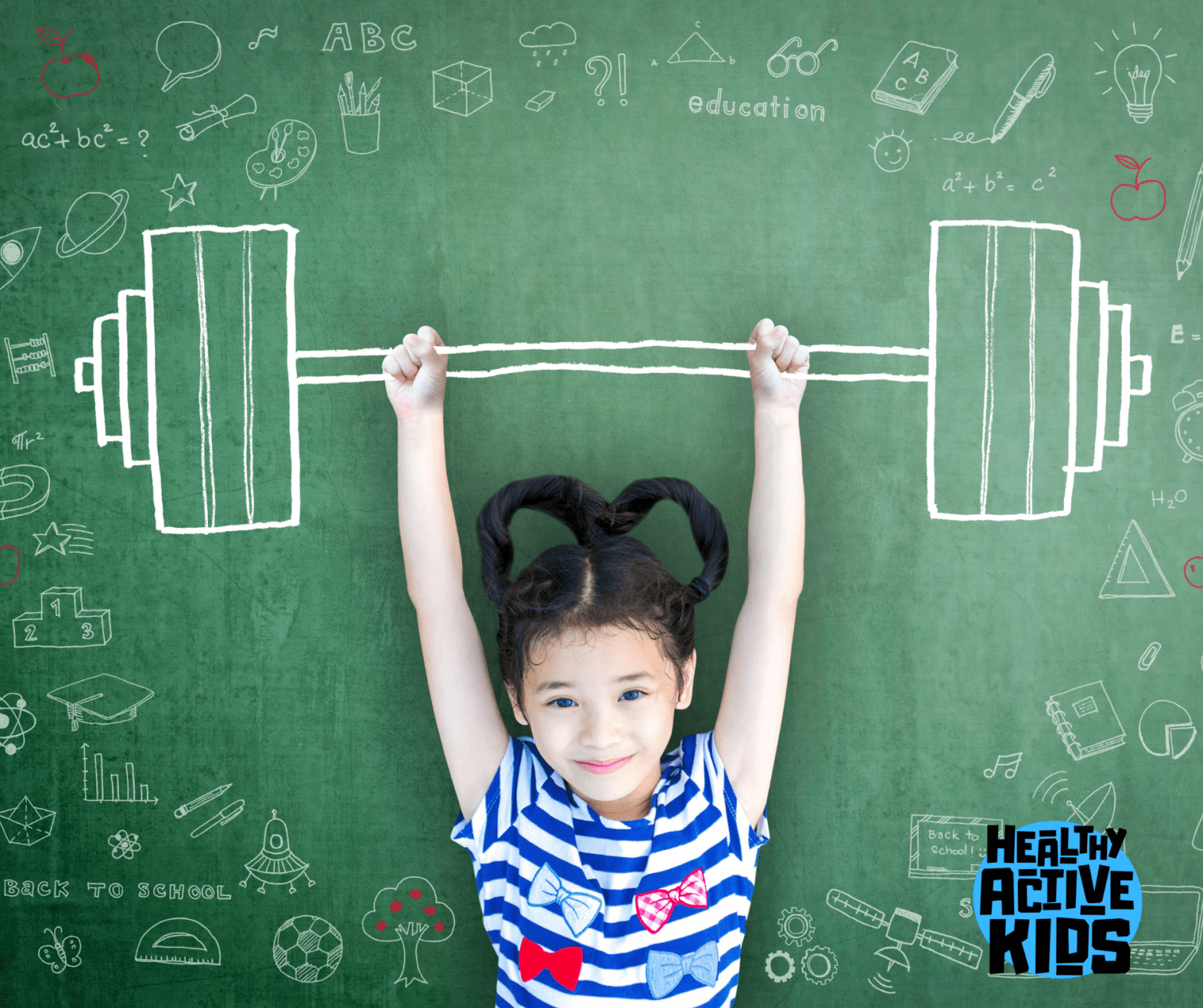
For too long, outdated myths have kept kids away from what could be one of the most powerful tools for their long-term health and wellbeing: strength training.
The good news? Leading professional organizations have caught up. A substantial body of evidence shows that well-designed, supervised, and individualized strength training programs are not only safe but also incredibly effective for children and adolescents.
It’s time to move past the misconceptions and recognize strength training as a crucial component in fostering health, building resilience, and preparing today’s kids for a lifetime of physical activity.
Beyond Muscle: Strength Training as a Fundamental Skill
We accept that reading and writing are learned skills, requiring education and practice. Strength training is no different. Children and adolescents naturally gain strength as they mature, but those in a structured strength training program consistently outperform their peers at any given age.
Why is this so critical?
- Harnessing Neuroplasticity: The growing years offer a unique window due to the rapid myelination of the central nervous system, where the neuromuscular system is highly responsive. Early, appropriate strength training can lead to stable, long-lasting improvements in coordination and movement skills.
- Bridging the Gap: Without early intervention to develop muscular fitness, differences in physical performance can widen over time. It becomes significantly harder for children with lower strength levels to keep up, potentially leading to disengagement from sports and physical activity.
- Injury Prevention: Children show greater gains in motor performance (running, jumping, throwing) than adolescents when they start training early. Furthermore, injury prevention programs are most effective before growth spurts trigger biomechanical changes.
In short, strength training is not just about building muscle mass; it’s about teaching the body how to move efficiently, powerfully, and safely.
The Worrying Trend of Paediatric Dynapenia
The term dynapenia, traditionally used to describe age-related muscle strength loss in older adults, now has a disturbing paediatric equivalent.
Paediatric dynapenia describes muscular weakness early in life. This condition can severely limit a child’s ability to confidently and competently perform basic movement skills, participate in exercise, and play sports.
- The Avoidance Cycle: “Fragile” youth with strength deficits and poor movement skills may avoid physical activity to prevent failure or humiliation. This leads to reduced participation and an increase in sedentary behaviours (watching TV, playing video games), creating a negative spiral toward poor long-term health outcomes.
- The Need for Early Intervention: Since a decline in physical activity often begins during the primary school years, interventions must start as early as possible ideally, before adolescence. Without the physical capacity built by continuous strength development, children will lack what they need for higher-intensity exercise and competitive sports as they get older.
Children who move with confidence, competence, and motivation are better equipped to maintain moderate to vigorous physical activity throughout their lives.
More Than Fitness: The Health Benefits You Can’t Ignore
Beyond performance and injury prevention, the health benefits of regular youth strength training are too significant to overlook:
1. Battling the Weight Gain Spiral
Strength training offers a crucial “gateway” for overweight children to begin exercise. Unlike prolonged aerobic activities that can be taxing, uncomfortable, or boring and are often hindered by excess bodyweight, strength training is often enjoyable and less aerobically taxing.
Regular participation has been shown to:
- Significantly reduce body fat.
- Increase insulin sensitivity, a vital component in metabolic health.
- Provide a much-needed opportunity for overweight children to improve fitness levels and gain confidence in their physical abilities.
2. Building Stronger Bones for Life
Outdated fears about strength training harming the immature skeleton have been completely debunked. Childhood and adolescence are, in fact, the opportune time for the bone-modelling and remodelling process to respond to the tensile and compressive forces of weight-bearing activities.
Maximizing peak bone mass during these early years is one of the most effective strategies for reducing the risk of osteoporosis and associated fractures later in life.
Guidelines for Starting Strength Training
There is no minimum age for strength training; the key is that activities are age-appropriate and engaging. If a child can follow instructions, adhere to safety rules, and handle the physical demands, they are ready.
| Age Group | Focus and Examples |
| 5-7 Years | Focus: Imagination-driven, basic resistive skills, and body coordination. Examples: Animal movements like “Frog Squats,” “Crocodile Planks,” and “Gecko Lunges.” |
| 7-8+ Years | Focus: Structured strength training using body weight and light external loads. Examples: Learning fundamental movements like body-weight squats, lunges, and push-ups. |
| Advanced | Focus: Progression to multi-joint, velocity-specific exercises. Examples: Weightlifting and plyometrics, performed only after demonstrating robust technical competency in basic bodyweight moves. |
The Bottom Line: The goal of youth strength training is not just to increase strength or power. It’s to improve skill development, provide positive and fun experiences, and promote healthy behaviours in a supportive environment.
By providing early exposure to structured strength activities, we give children the best possible foundation for movement, performance, and a lifelong, healthy relationship with physical activity.
What do you think is the biggest barrier preventing kids from participating in strength-building activities today? Share your thoughts in the comments!
 Healthy Active