
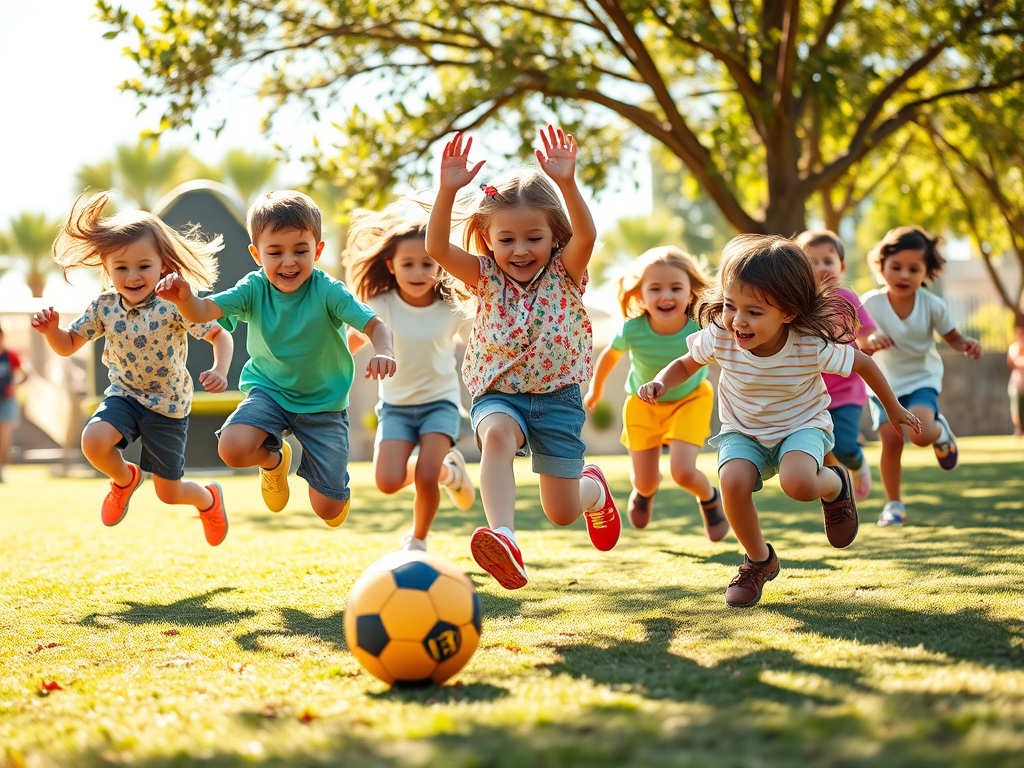
Developing a lifelong love of movement begins with mastering the basics – what are known as Fundamental Movement Skills (FMS). These foundational skills, such as running, jumping, and throwing, provide the groundwork for all sports and active pursuits that children may try as they grow.
Why FMS Are Essential
Acquiring fundamental movement skills during childhood can have a significant impact on a child’s overall development. Children who develop these skills early are more likely to enjoy greater physical activity, improved fitness, and increased confidence. Some of the key benefits include:
- Higher levels of daily movement and exercise
- Better cardiovascular health and fitness
- Greater self-confidence and body awareness
- Lower risk of childhood obesity
It is a common misconception that children simply “pick up” these skills on their own. In reality, children need structured opportunities to learn and practise FMS through age-appropriate and engaging activities. Most children master basic skills like running and catching by around age six, while more advanced skills such as jumping or controlled kicking may take until about age ten.
The Current Challenge
Today’s children often get less practice with these fundamental skills due to more screen time and fewer opportunities for unstructured outdoor play. Children who struggle with FMS may feel less confident joining in with team sports or playground games, which can mean missing out on the fun and the health benefits of active play.
What Does “Good Movement” Look Like?
A child who is confident with movement typically feels comfortable with skills like running, jumping, throwing, and landing. These are the building blocks for more complex movements in games and sports.
To move well, children need coordination and a measure of strength, but the focus should be on learning correct technique rather than being the fastest or strongest. This approach helps children recognise their own progress and achievements, rather than constantly comparing themselves to others.
Building Blocks for Success
“Physically literate” children have mastered essential abilities such as balance, body awareness, and moving at various speeds. These core competencies pave the way for more advanced skills, including agility, rhythm, and power. Unsurprisingly, children who move well are more likely to stay active and enjoy participating in sports.
How Children Learn to Move
Childhood is an ideal time for acquiring new movement skills, as the brain is especially adaptable during these years. Exposing children to a variety of activities supports not only their movement skills but also their confidence and decision-making. There is no need to specialise in one sport early; variety helps children build a broader skill set.
While everyone can improve their movement skills at any age, it does become more challenging after puberty, when certain changes occur in the brain. This makes it especially important to introduce FMS early and provide regular opportunities for practice.
Practical Ways to Develop Movement Skills
The main objective is to help children perform a wide range of movements with agility, balance, and coordination. There are countless ways to achieve this – creativity and variety are key. Select activities that are enjoyable, engaging, and provide opportunities for exploration. Examples include obstacle courses, partner games, gymnastics, and other playful challenges.
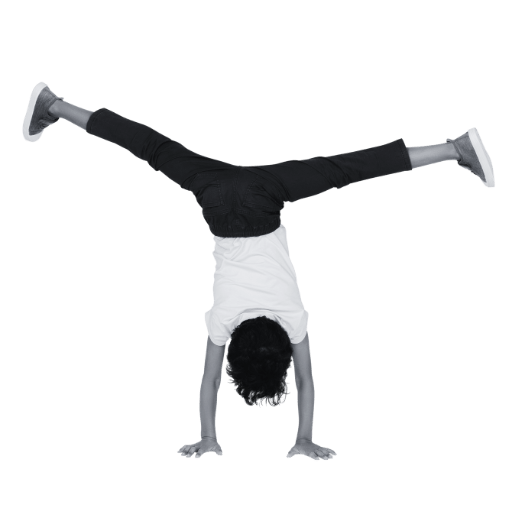
Avoid repetitive or high-intensity drills designed for adults. For children, focus on interactive and enjoyable tasks that highlight important movement skills. Lower body exercises such as squats and lunges are fundamental, along with running, skipping, hopping, jumping, and landing. Upper body activities like pushing, pulling, throwing, and catching are equally important.
It’s recommend including FMS-focused activities two to three times per week, ideally on non-consecutive days. If time is limited, incorporating these skills into warm-up routines can also be very effective.
By supporting the development of Fundamental Movement Skills from an early age, we can help children build the confidence and competence they need for lifelong health and enjoyment of movement. Whether you are a parent, teacher, or coach, your encouragement and thoughtful planning will make a lasting difference.
To learn more about fundamental movement skills check out our online course Healthy Active Kids
 Healthy Active