
During the Middle Ages in Europe, when the influence of Greek writings was obscured awaiting their rediscovery in the Renaissance, the Greek medical tradition of using exercise was preserved by the Arabs and later translated from Arabic into Latin medical manuals.
It was in the 14th century, during the renaissance, that Italian scholars renewed interest in classical Greek writings and recommended gymnastics as a fundamental part of education.
It was in the 14th century, during the renaissance, that Italian scholars renewed interest in classical Greek writings and recommended gymnastics as a fundamental part of education.
Although the great educators of the 15th century recommended exercise as a lifelong habit, contemporary physicians did not embrace exercise.

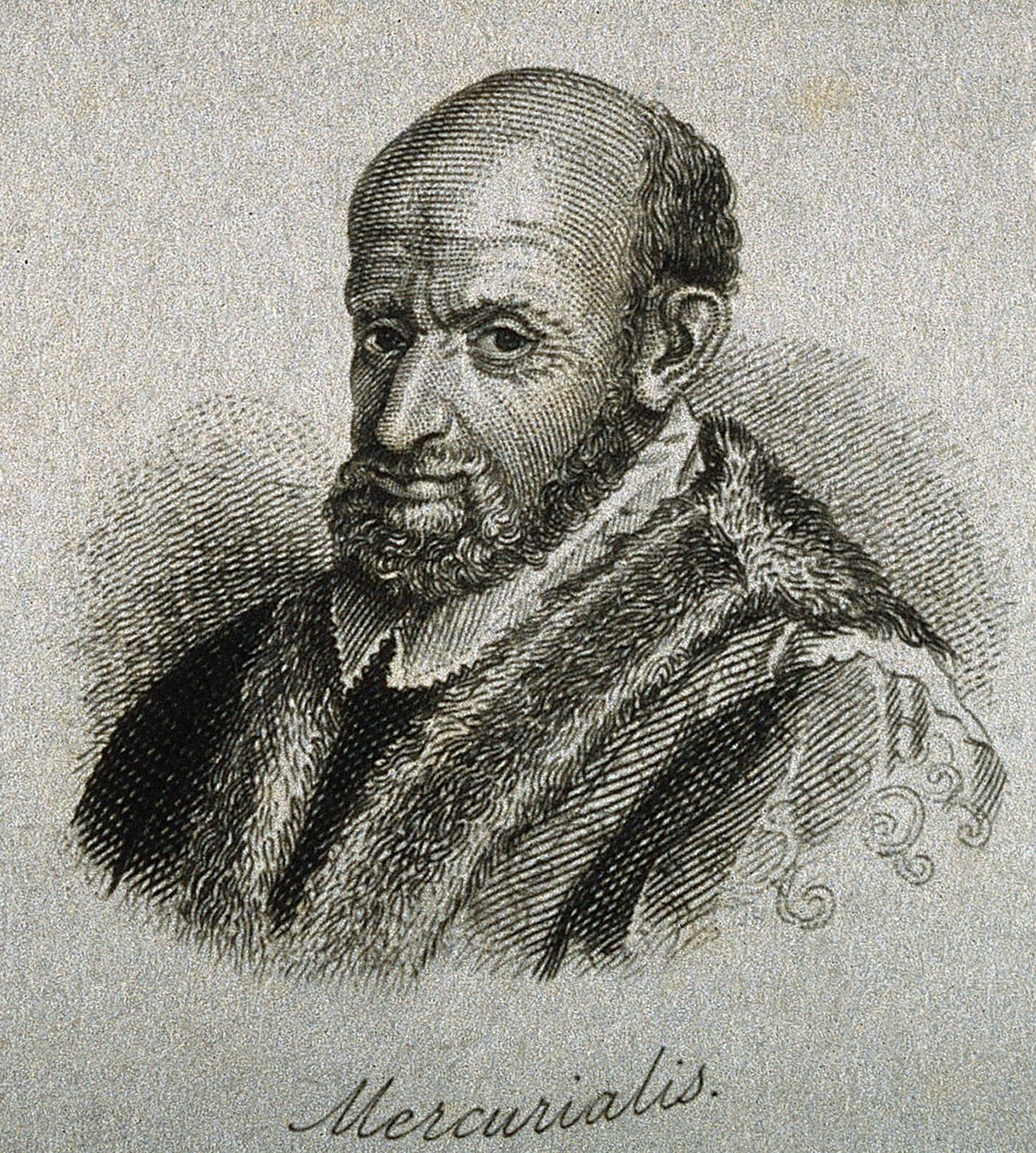
This was changed in 1596 by the Italian physician Hieronymus Mercurialis, who urged people who led sedentary lives to exercise.
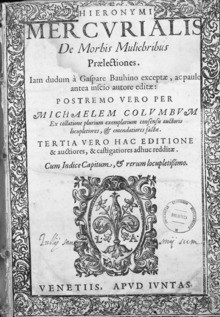
His ‘Six Books on the Art of Gymnastics’ laid the foundation for modern rehabilitative medicine.
For the purpose of health, Mercurialis replaced passive exercises, which had been recommended by early Renaissance experts, with vigorous exercise involving heavy breathing and physical effort, including mountain climbing among three types of walking. He considered running, jumping, rope climbing, and wrestling healthy forms of exercise and suggested ball games to strengthen the upper body.
 Healthy Active