
Physical activity emerged as a new field of study about 70 years ago and has only grown to include public health intervention during the past 35 years as our knowledge and understanding has grown. However, the ideas that underlie the field of physical activity aren’t new but are actually based on theories and teachings from the ancient past.
Whilst the study of Physical Activity is a new field, it has evolved from ideas dating as far back as 2500 BC where the ancient Chinese used structured exercise to promote good health!
However, modern-day preventative medicine and public health can be traced mainly to ancient cultures in India and subsequently Greece.
Ancient Greece

In Greek mythology, Asclepius, the son of Apollo and god of medicine, was killed by a thunderbolt from Zeus because he saved the lives of mortals and cheated Hades, god of the dead.
However Asclepius’s legacy continued because his daughters inherited his powers. Panacea, goddess of healing, gave medicines to the sick, while Hygeia, goddess of health, taught people to protect their bodies by prudent living.
Even today, we use the word “panacea” to refer to a healing agent and “hygiene” to refer to healthy practices!
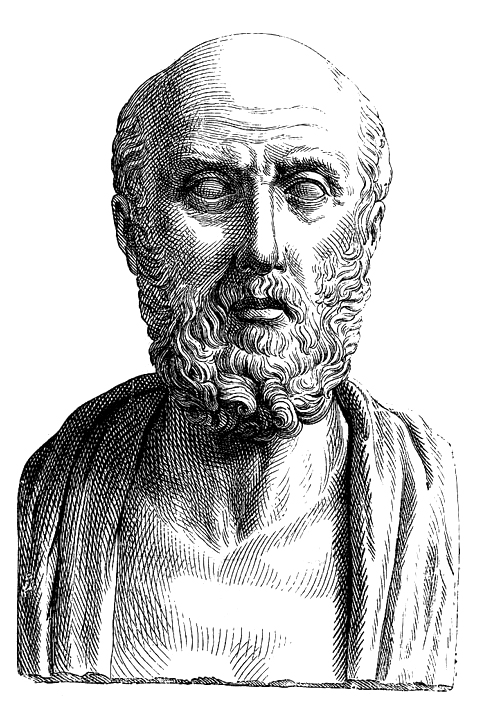
The Greek philosopher Hippocrates (460-377 BC), known as the “father of medicine”, was trained in the tradition of Asclepius, and he kept records of associations between diseases and climate, living conditions, and habits such as diet and exercise.
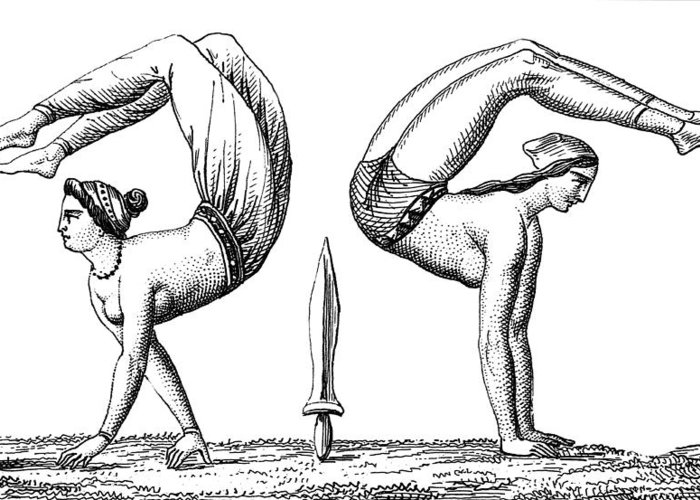
Hippocrates taught that food and exercise worked hand in hand to keep a man healthy, and that exercise should be many and of all kinds – and it was here in the 4th century BC that the art of Gymnastics was born!
And Hippocrates was not quite the first.
Ancient India
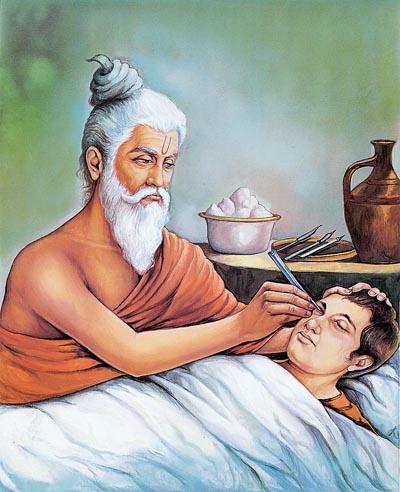
The Indian physician Shushruta (600 BC) recommended moderate daily exercise and that exercise be used also to treat obesity and diabetes. He even suggested that exercise contributed to brain health! When he described exercise he was referring to movements associated with walking, running, jumping, swimming, diving, or riding and participating in sports such as archery, wrestling, and javelin throws.
Shushruta encouraged moderate exercise for ancient Indians because he believed it improved the growth of limbs; enhanced muscle stoutness (mass), strength, endurance, tautness (tone), and development. Moderate exercise was also encouraged because he believed it gave the desirable mental qualities of alertness, retentive memory, and keen intelligence.
 Healthy Active